



Necessary Changes in Established Franchise Businesses
As a Wall Street Journal article explains 60% of Dunkin’ Donuts’ sales in the United States come from the coffee and non-alcoholic beverages they offer. Given their reputation as a donut fast food chain, it is somewhat surprising over half of their trade consists of drinks and a lesser part of donuts and sandwiches. Noticing these recent statistics however, and having in mind the influence the recession has on bigger businesses, it is no wonder Dunkin’ Donuts management decided on making serious changes into their respective marketing and financial policies.
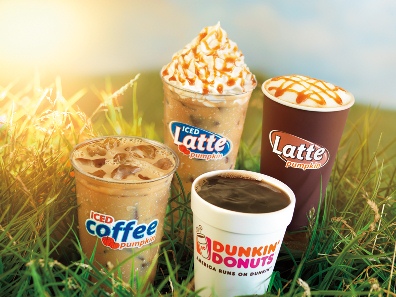 Dunkin’ Donuts went public in order to fight debt, but it also changed its approach towards the public and its main appeal, namely the idea of concentrating on serving donuts before everything else. DD decided it would be too risky to maintain the reputation of an unhealthy fast food restaurant and aimed towards the coffee market. Given their strong positions at it they almost immediately became a top contender for Starbucks’ top spot. Starbucks has an edge in terms of tradition and atmosphere, but Dunkin’ Donuts makes up for it with price and the willingness to adapt, reach new markets and change. Only time will show if Dunkin’ Donuts will even settle for second place or will challenge Starbucks.
The strategy the donut brand is adopting may well be the path towards success at today’s market. It is highly possible many more would have to change in a big way to widen reach and improve sales.
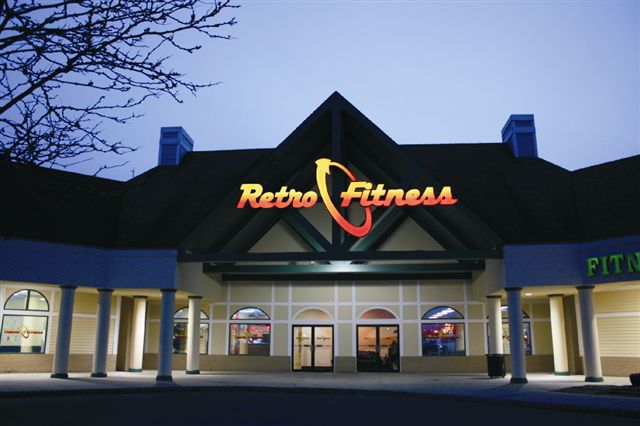
New Jersey-based Retro Fitness gyms have been going through a hard time since hurricane Sandy hit. Although management was quick to advice franchisees to turn down power and evacuate, several units suffered significant property damage. Roofs were blown away and electrical systems stopped functioning. The recent trends to avoid extra caution for fitness equipment became the subject of a discussion and Forbes magazine specialists made a point in explaining how important future improvements in safety are. Insurance and redesign were mentioned, as were electrical generators, which would have helped the gyms to keep running even in dire conditions. The opinions of said experts showcase the trend of improving publicity by taking care of client safety. A change is especially welcome when it comes to making a business healthier, safer or user-friendlier.
Style versus substance is another way to think of the new front of global business change. To demonstrate this viewpoint effectively one could use the Burger King example. While it fared reasonably well in recent years the fast food giant has been doing poorly compared to McDonald’s steady growth. Burger King focused on artsy marketing campaigns, which relied on humor to appeal to a target demographic of young males. Their ads were fun and creative but got one thing wrong: young males are a limited part of the current fast food market. To be able to even try to reach McDonald’s, Burger King had to find a way to make the rest find it appealing. Their new marketing plan is organized around the food, not around entertainment; it has more to do with offering new products, such as smoothies, which are targeted at different groups, than it has with making a statement.
The owners spent a large sum for re-branding of units and try to improve if not revolutionize what they are currently offering.
In that way Burger King realized that in order to compete with McDonald’s it needs more substance than it needs style. Maybe BK’s new strategy doesn’t actually do much with being healthier than before, but the new focus on food proves management desires to be closer to clients.
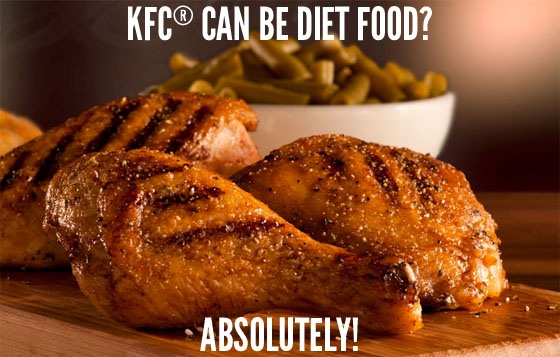 In the meanwhile KFC and Taco Bell have taken the healthier nutrition idea wholeheartedly. The Kentucky-based business is allowing customers to have better control of what they eat by giving them more information about products and meals at their restaurants. Units of the fried chicken company would feature the number of calories of each item right on the menu boards making it easier for patrons to decide which meal would not intervene with their diet. Rapeseed oil will be used to reduce saturated fats to make fried items healthier. Taco Bell introduced fresh ingredients to several of its restaurants and promises to combine a wholesome meal with the reasonable prices it is already well-known for. It is obvious both companies are making steps towards the image of a better corporate citizen.
Worldwide businesses are trying to develop a stronger following by adapting to markets and client tastes, but also showing they are more concerned with what an average customer cares about the most: good health and personal safety. It is early to tell if more companies would follow suit and whether this would lead to better earnings, but it would most definitely help clients feel better about trusting companies and tighten the gap between the former and management.


